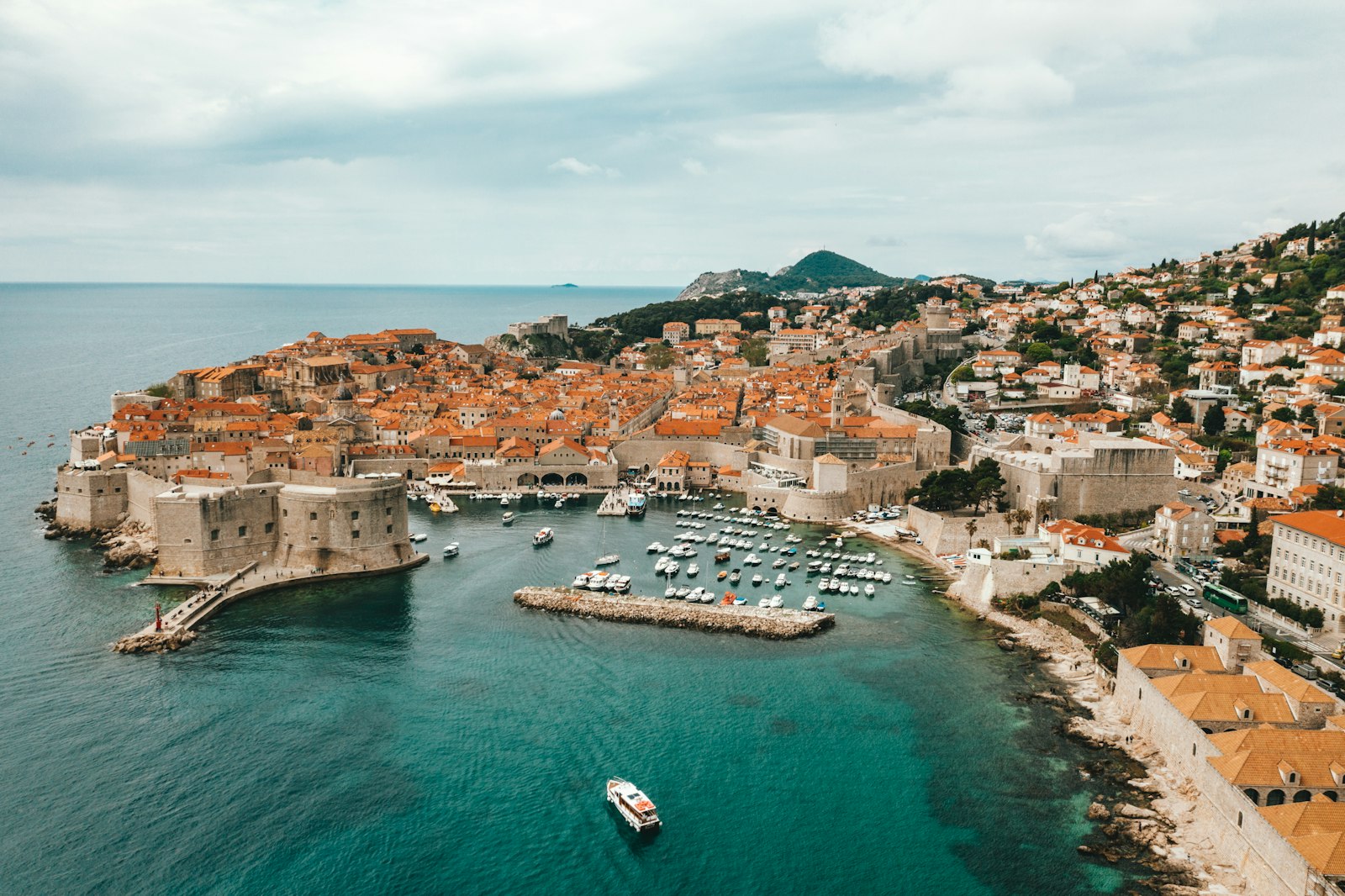
Medieval old towns, turquoise coves and island-hopping down the Adriatic.
Croatian cuisine is fresh and flavourful, deeply influenced by the sea, local ingredients and the wider Mediterranean table. Look out for grilled fish and other seafood, black risotto, octopus salad, fresh oysters, truffle specialities, grilled sausages, local cheese and olive oil, handmade pasta and sweet pastries.
Coastal menus lean toward seafood, olive oil and wine, while inland dishes bring heartier fare such as meats, stews and bakery-style food. Indian vegetarian food can be found in popular tourist destinations, but may not always be available in less touristy towns and islands.
Travenza tip: Try fresh seafood and Dalmatian specialities like peka in Split or Dubrovnik's Old Town, paired with a glass of local Plavac Mali wine.
Croatia's culture is shaped by old towns, Roman ruins, churches, fishing villages, markets, traditional music and a way of life lived by the sea. Experience it through walking tours of Dubrovnik and Split, visits to historic squares, waterfront markets, churches, museums and harbours.
The culture is also strongly tied to the sea, with island traditions, coastal festivals, seafood dining, native wines and a laid-back Mediterranean lifestyle. For an urban touch, head to Zagreb for its museums, cafes, galleries and markets, or to Zadar, Rovinj and Hvar for a more relaxed and picturesque cultural experience.
Travenza tip: Walk Dubrovnik's city walls early in the morning, before the cruise ship crowds and midday heat arrive.
Shopping in Croatia is best suited to travellers who enjoy local, handmade and regional products such as olive oil, lavender products, handmade jewellery, ceramics, local perfumes, Croatian wines, truffle products, Croatian lacework, sea salt and small souvenirs.
Great shopping can be found around Dubrovnik, Split, Zagreb and Hvar, including souvenir shops, designer boutiques, craft and gift stores, and local markets.
Travenza tip: Look out for local lavender products on Hvar and handmade lace on Pag rather than souvenir shops in the main squares.
Frequently Asked Questions
The best time to visit Croatia is usually from May to June and September to October for pleasant weather, fewer crowds and comfortable sightseeing. July and August are ideal for beaches and island hopping but are usually busier and more expensive.
A 7 to 10 day trip is ideal for covering Dubrovnik, Split, Hvar and Plitvice Lakes at a comfortable pace.
Yes, Croatia is excellent for couples. Dubrovnik, Hvar, Split and the coastal islands offer romantic old towns, sea views, boutique stays, sunset cruises and relaxed beach experiences.
Yes, Croatia is family-friendly. Families can enjoy beaches, old towns, national parks, boat rides, easy walking tours and relaxed coastal stays.
Yes, Indian citizens generally need a Schengen visa to travel to Croatia for tourism.
Vegetarian food is available in major tourist areas, but options may be limited in smaller towns and islands. It is better to plan restaurants in advance, especially for strict vegetarian travellers.
Ready to go?
Share your dates, group size and interests — we will craft a bespoke itinerary within 48 hours. No obligations.