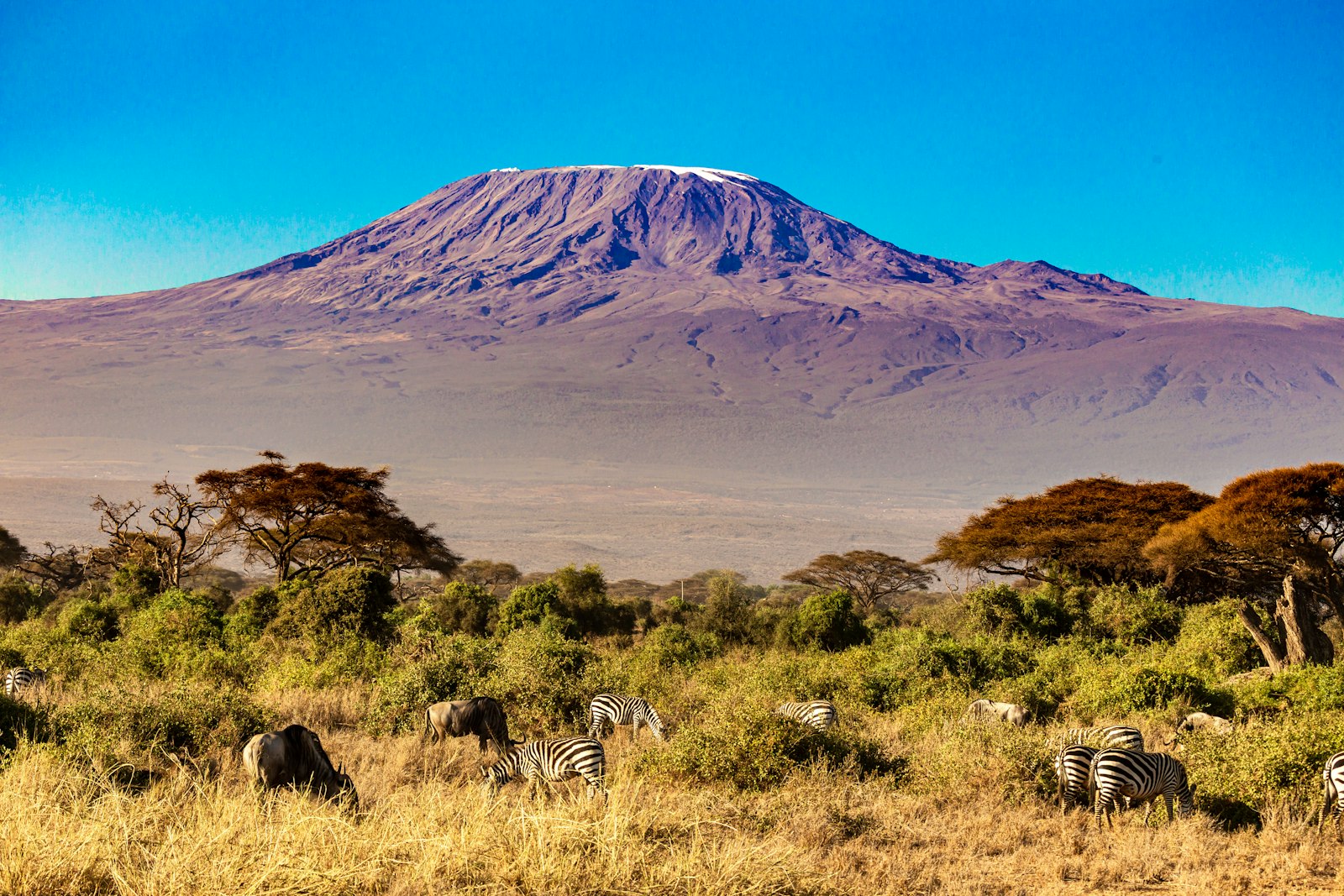
Wild savannas, ancient wonders and island shores in one continent.
Curated Journeys
Dining in Africa offers plenty of variety, shaped by the continent's diverse regional flavours, cooking methods and ingredients. You'll find great examples of each region's signature dishes — Moroccan tagine, Egyptian grilling and mezze, South African braai, fresh seafood along the coast, tropical fruits on the islands, or fine dining at luxury resorts in Mauritius and Seychelles.
Indian travellers will generally have an easier experience in larger cities, resorts and touristy areas than in more rural locations. Most major hotels and lodges in metropolitan areas offer some kind of vegetarian option, though this depends largely on the local culture and availability of ingredients. Many safari lodges and remote areas will ask you to share your meal preferences prior to arrival. At Travenza Holidays, we help you understand what food options will be available on your trip.
Travenza tip: Try a bush dinner under the stars on safari, tagines and mint tea in Morocco, or fresh seafood on Mauritius and Seychelles.
Africa's cultural fabric is as varied as its landscapes, offering travellers a chance to connect with communities, traditions and histories that go back centuries. Visits to local villages and tribal communities offer a glimpse into ways of life passed down through generations, while traditional dance and music performances bring the continent's rhythms and stories to life.
History lovers can explore heritage sites across the continent, from the ancient monuments of Egypt to the historic souks and medinas of Morocco, along with museums that showcase centuries of African art, craftsmanship and storytelling. Local craft markets are also wonderful places to see artisans at work and pick up pieces that reflect regional traditions.
Across the continent, you'll notice an interesting blend of indigenous customs and colonial-era influences, visible in architecture, cuisine, language and everyday life, adding another layer of depth to any African journey.
Travenza tip: Set aside a full day for the Pyramids of Giza and the Egyptian Museum, and another for the souks and riads of Marrakech's medina.
If you love shopping for unique, handcrafted items or souvenirs with meaning, Africa is a wonderful place to shop while on holiday. You'll find different products depending on where you visit, including brightly coloured textiles, woven baskets, beadwork, leather goods, wooden carvings, handmade jewellery, spices, ceramics, art, home decor and traditional craft items.
Morocco is well known for its carpets, lanterns, leather goods, spices and ceramics; South Africa offers wine, local fashion, art, jewellery and craft markets. Kenya and Tanzania are famous for beadwork, fabric, carvings and safari-inspired souvenirs. In Mauritius and Seychelles, you'll find beachwear, local rum, handmade soaps, island crafts and resort-style gifts.
Travenza tip: Marrakech's souks are best for leather, spices and textiles — agree a price before you buy, as bargaining is expected.
Frequently Asked Questions
The best time depends on where you are going. Kenya and Tanzania are known for their safari experiences between June and October; Mauritius and Seychelles make wonderful beach destinations virtually year-round; Egypt and Morocco offer milder temperatures between October and May.
Yes, definitely. There are numerous deluxe safari lodges, private game reserves, high-end beachfront resorts, vineyard accommodations, boutique hotels and many other exclusive options throughout Africa.
Kenya, Tanzania, Botswana and South Africa are among the most sought-after countries for safari experiences.
Africa can accommodate families with children, but the right accommodation and location should be chosen based on the child's age and interests. Some safari accommodations have age limits, while others are designed specifically for families.
Visa requirements depend on the country you are visiting. Since Africa is a continent and not a single country, Indian travellers may need separate visas, e-visas, ETAs or visa-on-arrival approval depending on the destination.
Vegetarian food is available in many cities, resorts and safari lodges, but it's best to inform hotels and lodges in advance, especially in remote safari regions.
A single-country safari can take around 6 to 8 days, while a safari with a beach extension or a multi-country holiday may require 10 to 14 days or more.
Ready to go?
Share your dates, group size and interests — we will craft a bespoke itinerary within 48 hours. No obligations.